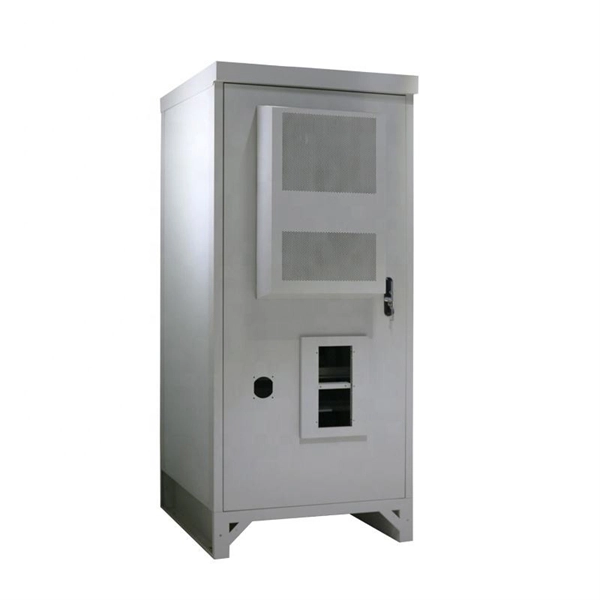
A household electrical distribution box safely divides incoming power into circuits, with circuit breakers protecting each circuit from overloads and faults.
What is a Distribution Box?
A distribution box (also called a breaker box, panelboard, or DB box) is the central hub of a home's electrical system. It receives electricity from the main supply and distributes it to various circuits throughout the house, such as lighting, outlets, and high-power appliances . The box ensures electricity is delivered safely and efficiently while preventing damage from electrical faults. It typically consists of a metal or plastic enclosure housing key components like circuit breakers, fuses, busbars, and sometimes RCDs or RCBOs .
Key Components
- Main Switch: Controls the entire electrical system, allowing the home to be shut down for maintenance or emergencies .
- Circuit Breakers: Protect individual circuits by automatically cutting off power during overloads or short circuits. Types include:
- 1P (Single Pole): Protects the live wire only.
- 1P+N (Single Pole + Neutral): Protects both live and neutral wires.
- 2P (Double Pole): Provides full isolation for both live and neutral wires, ideal for high-power appliances .
- Busbars: Conduct electricity from the main supply to the breakers .
- Residual Current Devices (RCDs) / RCBOs: Protect against electric shocks and leakage currents .
- Indication Lights: Show the status of mains power .
Safety Features
Distribution boxes are designed with multiple safety mechanisms:
- Overload Protection: Prevents overheating by cutting off excess current .
- Short Circuit Protection: Interrupts sudden surges to reduce fire risk .
- Leakage Protection: Protects against electric shocks, especially in wet areas .
- Overvoltage/Undervoltage Protection: Shields the system from voltage fluctuations .
Configuration for Homes
A typical household distribution box is configured with:
- Room Socket Circuits: Separate circuits for each room to isolate issues.
- High-Power Appliance Circuits: Dedicated circuits for stoves, water heaters, or air conditioners.
- Lighting Circuits: Independent circuits for stable operation .
Materials and Construction
Distribution boxes are made from engineering thermoplastics like polycarbonate or ASA, or powder-coated stainless steel, ensuring durability and safety . They are rated with IP protection levels (e.g., IP65) for dust and water resistance, important for kitchens, bathrooms, or outdoor installations .
Summary
A household electrical distribution box is essential for safe and organized power management. Circuit breakers within the box protect each circuit from overloads and faults, while additional devices like RCDs and overvoltage protectors enhance safety. Proper selection, installation, and configuration ensure efficient operation and reduce the risk of electrical hazards .