
Splice closures, trays and terminal boxes
Fiber Optic Splice Closures, Joint Boxes and Splice Trays
Specify inline, dome and butt closures, then match splice tray count, cable entry ports, sealing class and protection sleeves to the route you are building.
Inline, dome and butt closure designs
Splice trays, heat shrink sleeves and protection tubes
Terminal boxes and cable jointing tools

MatchRoute and capacity
ConfirmSealing and ports
VerifyLoss and records
Closure library
Start from the Route Type and the Splice Capacity
Fix the cable count and splice capacity first, then confirm entry ports, sealing class, tray stack and the way the closure will be mounted.

Closures
Inline & Dome Splice Closures
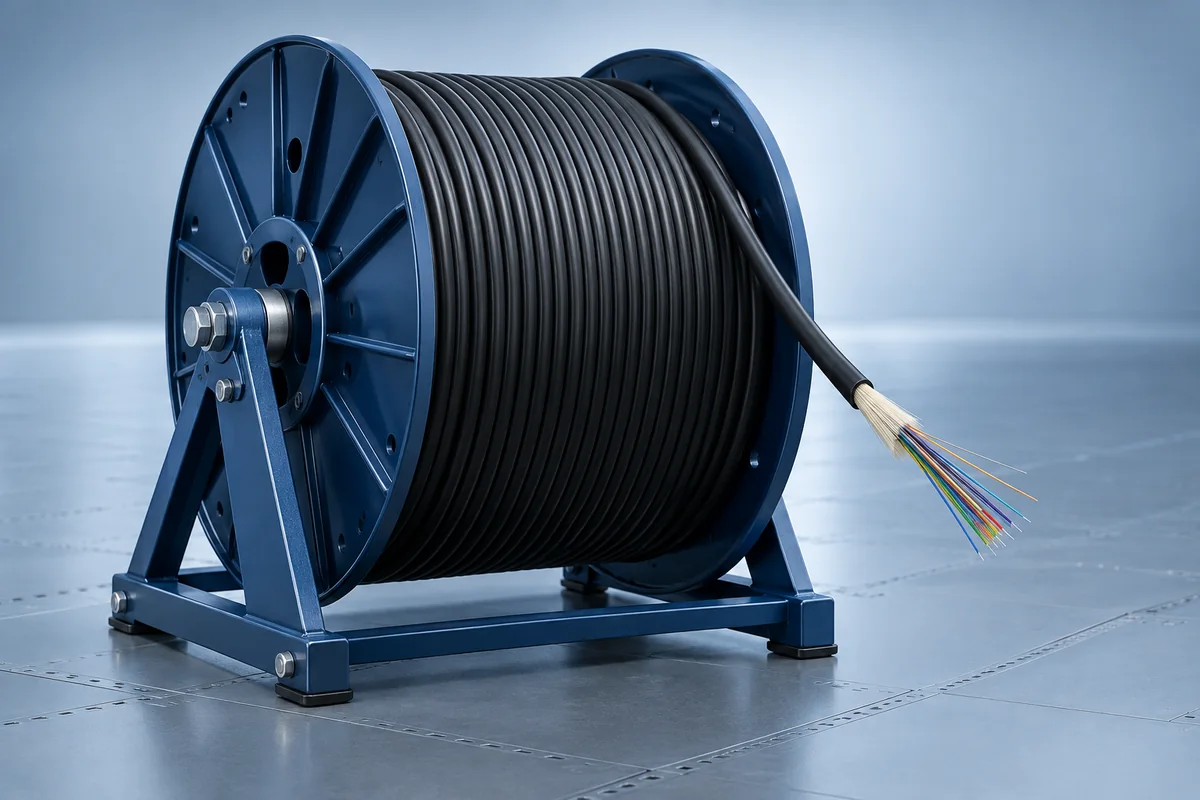
Sealed bodies for aerial, duct and buried joints, with heat shrink or mechanical cable entry seals.
Splice hardware
Splice Trays & Organizers
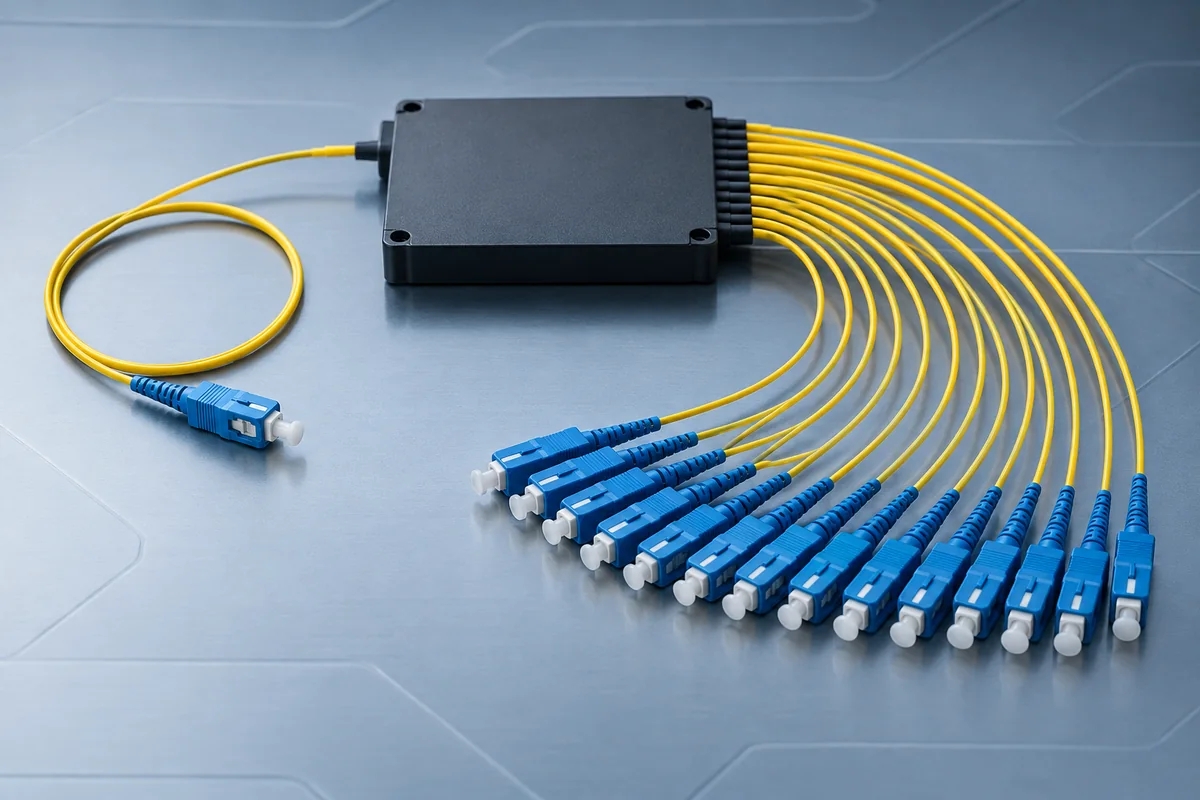
Stackable and fusion splice trays that hold bare fiber bend radius and keep the joint order readable.
FTTH & access
Terminal Boxes & Enclosures
Optical cable terminal boxes for subscriber entries, wall mounting and small distribution points.

Protection
Sleeves, Tubes & Tools
Heat shrink sleeves, protection tubes, cold joints and the hand tools needed for clean cable jointing.
Product selection
Closure and Jointing Types by Route, Housing and Environment
Each type answers one dominant requirement. Confirm the route and the splice count first, then match tray stack, sealing and mounting to it.
Fiber Optic Splice Closures
Sealed bodies that house splice trays and protect finished joints from water, dust and mechanical load.
Optical Cable Joint Closures
Mid-span enclosures with separate entry ports for joining two cables end to end.
Fiber Splice Boxes
Compact indoor housings for small splice counts on wall and rack installations.
Fiber Splice Trays
Organizing trays that hold spliced fibers at a safe bend radius and keep the joint sequence clear.
Fusion Splice Trays
Deeper trays sized for heat shrink sleeves and the extra length a fusion joint needs.
Optical Cable Terminal Boxes
End-of-route enclosures that terminate cable and present ports for patch cords.
Fiber Optic Terminal Boxes
Wall or rack boxes combining a small splice area with adapter or pigtail outlets.
Fiber Heat Shrink Sleeves
Cross-linked sleeves with a strength member that lock a fusion splice in place.
Fiber Protection Tubes
Loose and slotted tubes that carry bare fiber through the closure without tight bends.
Fiber Protection Sleeves
Thin-walled sleeving for 250 micron fiber where space inside the tray is limited.
Fiber Cold Joints
Mechanical splices for emergency restoration when fusion equipment is not on site.
Fiber Cable Splicing Tools
Sheath slitters, coating strippers, cleavers, torque drivers and cable entry sealing tools.
A practical reference workflow
Move from route plan to a sealed, tested and labelled joint
A closure only performs as well as the joint inside it. Connect capacity planning with tray layout, sealing and acceptance testing.
Plan the route and capacity
Record cable count, fiber count, splice count and the environment the closure will sit in.
Choose the closure type
Select inline, dome or butt form, then confirm entry ports, grommets and mounting bracket.
Organize and protect splices
Lay out trays in joint order and protect each splice with a heat shrink sleeve or tube.
Seal, test and record
Torque the lid, run OTDR and power meter checks, then label the closure and archive the trace.
Deployment environments
Where Closure Choice Makes the Difference
Different routes prioritise sealing, splice capacity, tray access, mechanical survival or installed cost.
Aerial Networks
Dome and inline closures with UV-stable shells and strong pole or messenger mounting.
Duct & Buried
High-capacity joint closures with IP68 sealing and enough tray stack for later branching.
FTTH & Access
Compact splice boxes and terminal boxes for ODN splitting points and subscriber entries.
Data Centres
Rack-mount splice trays and small closures for high-count backbone and MPO trunks.
Power & Utilities
Non-metallic closures along OPGW and substation routes where isolation matters.
Industrial & Outdoor
Reinforced enclosures with sealed cable entries for towers, plants and exposed cabinets.
Knowledge centre
Latest Closure and Jointing Resources
Recent entries are selected from the existing article database without decompressing full article bodies.
Can an optical amplifier continuously amplify
An optical amplifier is a device that amplifies an directly, without the need to first convert it to an electrical signal. An optical amplifier may be thought of as a without an, or one in which from the cavity is sup…
Monaco Dual-Core Pigtail Fiber Manufacturer Direct Sales
Swiss High-Precision Fiber Optic Products | DIAMOND SAAt DIAMOND SA, we specialize in developing tailored fiber optic products to meet your exact specifica.
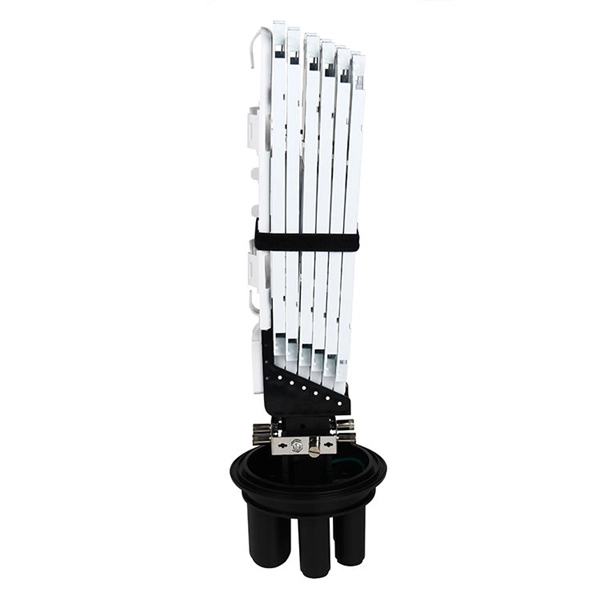
Maintenance of Romanian Optical Cable Junction Boxes
afor.ro | Workshop 4 – Connecting Fiber Optic CablesThe state of the human / fiber optic junction – is related to its preparation, experience and education.
Need a clearer closure specification?
Start a technical inquiryDescribe the route, splice count and sealing constraints
Share cable count, fiber count, mounting type, environment and test requirements for a more focused starting point.