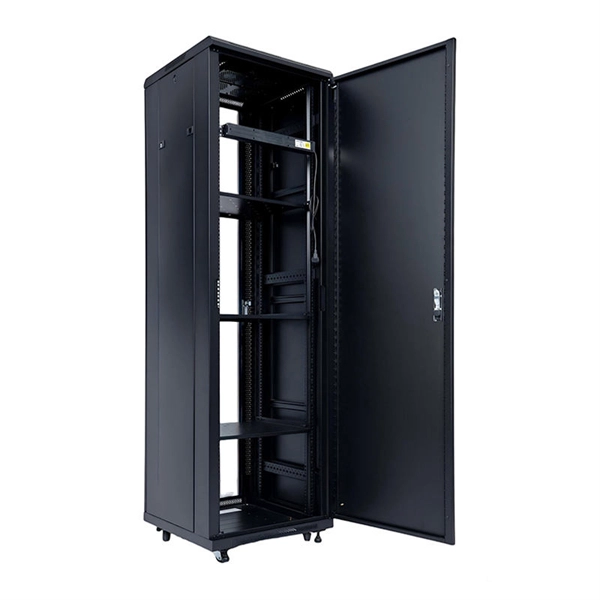
A server access switch connects end-user devices and servers to the network, managing traffic efficiently while providing security, VLAN segmentation, and Power over Ethernet (PoE) support.Core Function
A server access switch operates at the network edge, directly linking devices such as computers, IP phones, wireless access points, printers, and IoT devices to the broader network infrastructure . It serves as the first point of contact for devices accessing the network, ensuring that data packets are properly routed to higher layers, such as distribution or core switches, without congestion or backflow .
Traffic Management and Data Flow
Access switches handle local traffic forwarding and manage the flow of data between connected devices and the network. They often support Layer 2 switching, with some Layer 3 capabilities, allowing them to forward packets based on MAC addresses and, in some cases, perform basic routing between VLANs . This ensures efficient communication within subnets and reduces unnecessary traffic to higher network layers.
Key Features
- High Port Density: Access switches provide numerous ports to connect multiple devices, minimizing the number of switches required and simplifying cabling .
- Port Speed Flexibility: Modern switches support 10/100/1000 Mbps or higher, accommodating diverse device requirements .
- VLAN Support: They segment network traffic into virtual LANs, improving security and traffic management .
- Power over Ethernet (PoE): Many access switches supply power to connected devices like IP phones and cameras, reducing the need for separate power sources .
- Security Controls: Port-based security features prevent unauthorized access and protect connected devices .
Benefits in Network Architecture
Access switches simplify network management by consolidating endpoint connections, enhance scalability by allowing new devices to be added without disrupting existing operations, and improve security through VLAN segmentation and port controls . They are cost-effective and form the foundation of hierarchical network designs, bridging end devices to distribution and core layers efficiently .
Summary
In essence, a server access switch is critical for connecting end devices to the network, managing traffic at the edge, supporting VLANs and PoE, and enforcing basic security. It ensures that servers and user devices can communicate reliably and efficiently with the rest of the network, forming the backbone of a scalable and secure enterprise network infrastructure .