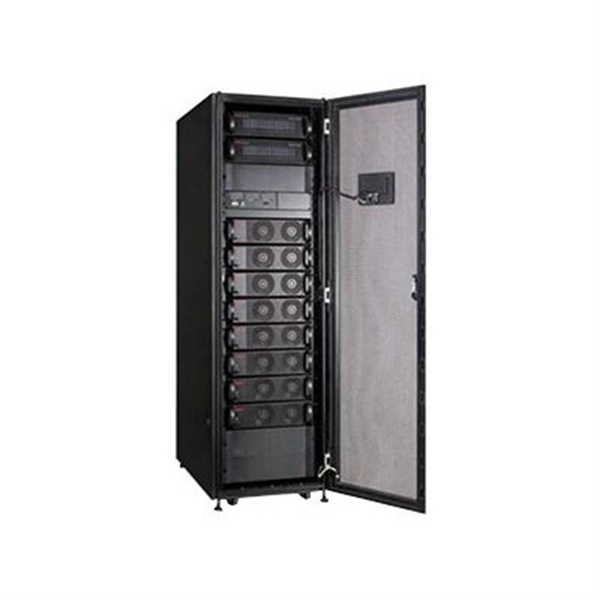
Low-voltage switchgear wiring involves structured conductor selection, proper termination, grounding, and adherence to IEC standards to ensure safe, reliable, and maintainable power distribution.Key Wiring Considerations
Conductor Selection: Choose conductors capable of carrying the intended current without overheating. Consider material (copper or aluminum), insulation rating, ambient temperature, and compliance with local electrical codes. Proper sizing ensures safety and prevents voltage drops or overheating . Cable Management: Organize wiring using cable trays, ducts, and ties. Label all cables clearly for easy identification and future maintenance. Structured wiring reduces errors and improves accessibility in industrial environments . Termination Techniques: Connect conductors securely using compression lugs, bolted connections, or screw terminals. Follow manufacturer torque specifications to avoid loose or damaged connections. Proper stripping and crimping are essential for reliable terminations . Insulation and Protection: Insulate all exposed conductors using heat-shrink tubing, insulating tape, or other approved materials to prevent short circuits and electrical hazards . Grounding: Ground all metallic parts of the switchgear enclosure and equipment to provide a safe path for fault currents. Effective grounding protects personnel and equipment from electrical faults .
Modern Wiring Approaches
Structured and Modular Wiring: Modern industrial installations often use modular wiring with pre-assembled connectors and cable glands. This approach improves safety, reduces installation time, minimizes wiring errors, and enhances maintainability . Heavy-Duty Connectors and Cable Glands: Use connectors that can handle high currents and resist vibration. Cable glands secure cables entering the cabinet, provide strain relief, and protect against dust and moisture .
Compliance with Standards
IEC 61439: Low-voltage switchgear must comply with IEC 61439, which specifies design, verification, and safety requirements, including temperature rise limits, short-circuit withstand strength, and dielectric properties. All assemblies must meet uniform safety and performance benchmarks . Inspection and Testing: After wiring, inspect all connections, verify insulation, and perform electrical testing to ensure system integrity. Maintain accurate documentation, including wiring diagrams, connection schedules, and test results .
Best Practices
- Use high-quality materials to ensure long-term reliability.
- Follow proper stripping, crimping, and torque procedures.
- Maintain clear documentation for future maintenance.
- Ensure all wiring adheres to local codes and IEC standards.
- Consider modular and structured wiring for scalability and reduced downtime . By following these methods, low-voltage switchgear can be wired safely, efficiently, and in compliance with international standards, ensuring reliable power distribution in industrial and commercial applications.