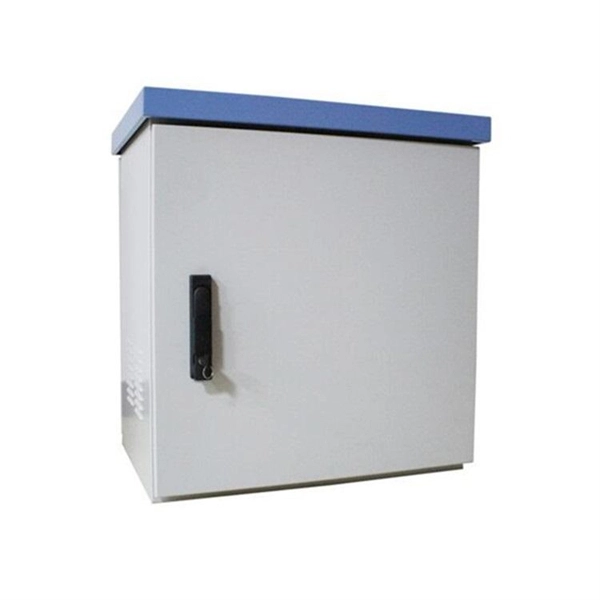
Safe installation of distribution boxes requires proper site selection, secure mounting, correct wiring, grounding, protective devices, and adherence to electrical standards.Site Selection and Placement
Choose a dry, well-ventilated, and accessible location away from water, flammable, corrosive, or explosive substances . The installation height is typically 1.5–1.8 meters above the ground for easy operation and inspection . Ensure the site allows future maintenance and avoids exposure to extreme temperatures or direct sunlight for outdoor installations.
Enclosure Selection
Select an enclosure with the appropriate IP or NEMA rating based on environmental conditions. For indoor use, NEMA 1 or IP20 may suffice, while outdoor or industrial environments require IP66 or NEMA 4 for dust and water protection . Materials include steel, stainless steel, plastic, or fiberglass, chosen for durability, corrosion resistance, and insulation properties .
Mounting and Fixing
Mount the distribution box securely using suitable brackets, screws, or anchors. Wall mounting is common for light to medium boxes, while floor pedestals or skid mounts are recommended for heavy equipment . Ensure the mounting substrate can support the box and equipment weight, and consider vibration dampers in high-vibration areas . Maintain proper alignment and avoid tilting.
Wiring and Circuit Protection
Turn off power before wiring and verify with a tester . Use high-temperature resistant copper wires with cross-sectional areas matching load requirements. Follow color coding standards for line, neutral, and ground connections . Install circuit breakers, fuses, RCDs, or RCBOs for each circuit to prevent overloads, short circuits, and electrical hazards . Organize wiring neatly using DIN rails, cable ducts, and cable ties to facilitate maintenance .
Grounding and Safety
Ensure the metal enclosure, internal panels, and electrical appliances are properly grounded. Connect the protective neutral wire reliably through a terminal board . Establish a single low-impedance protective earth and verify continuity with a ground clamp. For large systems, consider ring conductors or dedicated earthing bars to reduce potential differences .
Pre-Energization Testing
Before powering on, perform visual inspections, continuity checks, insulation resistance tests, and polarity verification . Record test results for future reference and troubleshooting. Ensure all cable entries are sealed and provide mechanical strain relief to prevent conductor stress.
Labeling and Maintenance
Label all circuits, terminals, and devices clearly. Maintain up-to-date wiring diagrams and panel schedules inside the box . Schedule regular inspections to check terminal torque, gland seals, and indicator statuses. Modular designs and proper labeling simplify future upgrades and maintenance . By following these methods, distribution boxes can be installed safely, comply with standards, and provide reliable long-term operation.