RIVO OPTICALSPLICE CLOSURES Technical Inquiry

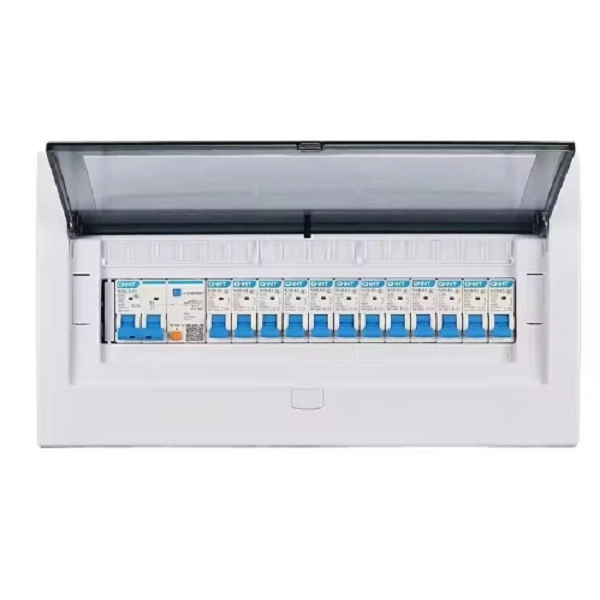
Residential electrical distribution box configuration

A residential electrical distribution box should be configured with a main switch, separate circuits for lighting, sockets, and high-power appliances, proper breakers, grounding, and clear labeling to ensure safety and efficiency.Key Components and Layout
  1. Main Switch: Controls the entire electrical system, allowing the home to be quickly disconnected during emergencies or maintenance .
  2. Circuit Breakers: Protect individual circuits from overloads and short circuits. Common types include:
    • 1P (Single Pole): Controls the live wire for basic circuits.
    • 1P+N (Single Pole + Neutral): Protects both live and neutral wires.
    • 2P (Double Pole): Provides full protection for both live and neutral wires, ideal for high-power appliances .
  3. Dedicated Circuits:
    • Lighting Circuits: Separate from other circuits to maintain stable operation.
    • Room Socket Circuits: Each room should have its own circuit to isolate faults.
    • High-Power Appliance Circuits: Appliances like stoves, water heaters, and air conditioners require dedicated circuits to prevent overloading .
Installation Considerations
  • Location: Install in a dry, accessible area, away from water, flammable, or corrosive substances. Indoor boxes should be at approximately 1.5 meters above the floor for easy access .
  • Enclosure: Choose a box with appropriate IP or NEMA ratings. For indoor residential use, NEMA 1 or IP20 is usually sufficient; outdoor installations require higher protection like IP66 or NEMA 4 .
  • Wiring Practices: Ensure proper wire gauge, neat cable management, secure grounding, and correct breaker sizing. Each circuit's neutral and earth conductors must connect to the appropriate busbars .
  • Ventilation and Space: Leave enough clearance around the box for maintenance and heat dissipation .
Safety and Compliance
  • Protection Devices: Include circuit breakers, fuses, and optionally surge protectors or RCDs/RCBOs for additional safety .
  • Labeling: Clearly label each circuit for easy identification during maintenance or emergencies .
  • Testing: Perform visual inspections and multimeter tests before powering on to ensure correct connections and functionality .
  • Standards Compliance: Follow local electrical codes (NEC, IEC, or regional standards) and use certified components (UL, CE) to ensure safety .
Maintenance
  • Conduct regular inspections for signs of overheating, corrosion, or loose connections.
  • Keep the box clean and organized to facilitate troubleshooting and future upgrades . By following these guidelines, a residential distribution box can provide safe, reliable, and efficient power distribution, while minimizing the risk of electrical hazards and ensuring compliance with safety standards.
Residential electrical distribution box configuration

How to Install a Cable Distribution Box Safely and Correctly?

In modern electrical systems, cable distribution boxes (also known as electrical distribution boxes or distribution

Circuit Breaker Wiring Configurations in Distribution Boxes

Learn circuit breaker wiring configurations for distribution boxes: 1P and 3P layouts, RCD/RCBO neutral paths, phase balance, cable

Related Video Reference

This video was associated with the source search result. Verify technical details against current product documentation and project requirements.

Technical note

This reference is intended for preliminary fiber optic splice closure research. Compatibility, splice capacity, sealing class, tray layout, protection sleeves, installation methods, test limits and applicable standards must be verified for the specific project.

Still Have a Technical Question?

Use the inquiry form to describe a closure requirement, splice capacity or cable jointing question.

Start an Inquiry