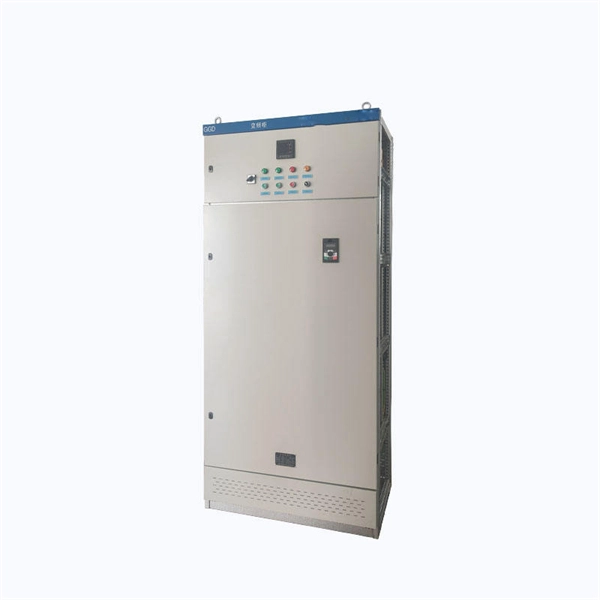
Junction boxes function as protective enclosures that safely house and organize electrical wire connections, preventing hazards and facilitating maintenance.Core Function
A junction box is an enclosure designed to contain electrical connections, where two or more wires meet, split, or continue to other circuits. Its primary role is to protect these connections from environmental factors such as dust, moisture, and physical damage, while also preventing accidental contact with live wires, which could cause electric shocks or fires . By providing a secure space for splices and wire joins, junction boxes help maintain the integrity and reliability of electrical systems .
Safety and Compliance
Junction boxes are essential for electrical safety and code compliance. According to the National Electrical Code (NEC), all wire splices must be enclosed in an accessible junction box . This ensures that connections are inspectable, maintainable, and repairable without exposing live wires. They also reduce the risk of short circuits, overheating, and sparks, which could otherwise lead to fires .
Organization and Maintenance
Beyond safety, junction boxes organize wiring by providing a central point where multiple circuits converge. This makes it easier for electricians to troubleshoot, expand, or modify circuits. Properly sized boxes allow for adequate space for wires, connectors, and clamps, ensuring airflow and reducing mechanical stress on connections .
Types and Materials
Junction boxes come in various materials and designs depending on the environment:
- Metal boxes: Durable, fire-resistant, suitable for industrial or outdoor use, often requiring grounding .
- Plastic boxes: Lightweight, corrosion-resistant, ideal for indoor residential use, and do not require grounding .
- Waterproof or outdoor-rated boxes: Sealed with gaskets to prevent moisture intrusion, used in outdoor lighting, solar panels, or marine applications .
Installation Considerations
Junction boxes must always be accessible; they should not be buried behind walls or insulation. Proper installation includes mounting securely, using cable clamps or strain reliefs, and grounding metal boxes. The size and type of the box should match the number of wires and connectors to ensure safety and compliance .
Summary
In essence, junction boxes function as the backbone of safe electrical wiring, providing protection, organization, and accessibility. They prevent hazards, simplify maintenance, and ensure that electrical systems meet safety standards in homes, commercial buildings, and industrial installations .