RIVO OPTICALSPLICE CLOSURES Technical Inquiry

Industrial Switch Components

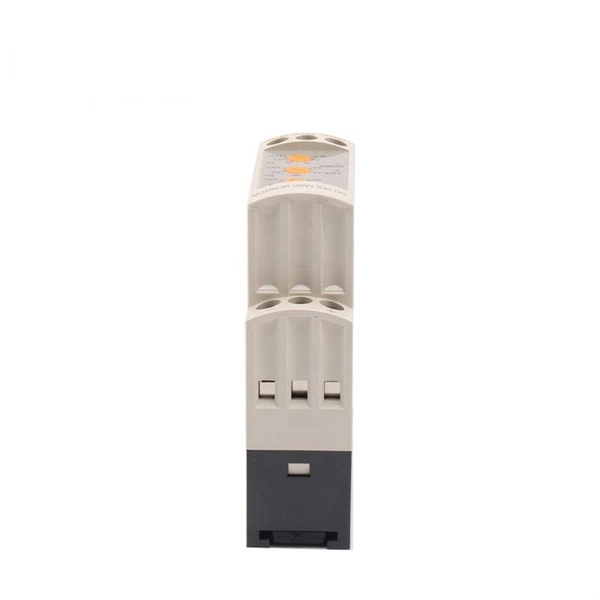
Industrial switch components are electromechanical devices used to control, monitor, and protect electrical circuits in industrial applications, available in a wide range of types and configurations.Overview

Industrial switches are essential for machine control, automation, conveyor systems, and building technology, providing reliable operation and compliance with safety standards (IP ratings, EN ISO 13850) while offering flexibility for various applications (Switch GmbH) . They function by opening or closing electrical circuits, allowing control over power flow, operational states, or signaling in industrial systems (RS Components) .

Common Types of Industrial Switches
  • Cam Switches: Multi-position switches used for controlling motors or machinery, available in 2–4 poles, with front, base, or DIN rail mounting options. They can be combined with fuse holders for added protection .
  • Limit Switches: Used in automation to detect the presence or position of objects, often rated up to IP67 for dust and water protection .
  • Microswitches: High-precision switches with self-cleaning contacts, suitable for repetitive operations and small actuations .
  • Selector Switches: Allow selection between multiple operational modes, often with ergonomic designs and robust construction for industrial environments .
  • Foot Switches: Single or double pedal switches, sometimes including emergency stop functionality, available with electrical or pneumatic contacts .
  • Safety Switches: Include RFID or coded switches to monitor doors, gates, or other safety barriers, ensuring personnel protection and machine shutdown in hazardous conditions .
  • Push Buttons and Pilot Lights: Provide manual control and visual indication in control panels, often integrated with selector switches for complex operations .
Key Features and Specifications
  • Poles and Throws: Defines the number of circuits controlled (poles) and the number of positions (throws) .
  • Electrical Ratings: Current carrying capacity varies widely, e.g., 25–160 A for switch-disconnectors, and busbars up to 320 A .
  • Mounting Options: Front, base, DIN rail, or direct installation in machinery .
  • Protection and Standards: Many switches meet IP67 or higher, and emergency stop switches comply with EN ISO 13850 .
  • Customization: Some switches offer HEX, Gray, or BCD coding, adjustable indexing angles, and push force options for specialized applications .
Suppliers and Resources
  • Switch GmbH: Offers a wide range of cam switches, limit switches, microswitches, and foot switches with customization options .
  • OMRON: Provides switching components with datasheets, manuals, and expert consultation for industrial automation .
  • Siemens: Industrial controls catalog includes SIRIUS and general-purpose switches, contactors, relays, and motor management systems .
  • RS Components: Supplies a broad selection of electromechanical switches, including toggle, rocker, and keypad switches for industrial and electronic applications . Industrial switch components are critical for ensuring operational safety, flexibility, and efficiency in industrial systems, and selecting the right type depends on the application, electrical requirements, and environmental conditions.
Industrial Switch Components

Industrial Ethernet Switches | WAGO

Industrial Switches WAGO''s switch portfolio provides scalable Ethernet network infrastructure with excellent electrical and

Related Video Reference

This video was associated with the source search result. Verify technical details against current product documentation and project requirements.

Technical note

This reference is intended for preliminary fiber optic splice closure research. Compatibility, splice capacity, sealing class, tray layout, protection sleeves, installation methods, test limits and applicable standards must be verified for the specific project.

Still Have a Technical Question?

Use the inquiry form to describe a closure requirement, splice capacity or cable jointing question.

Start an Inquiry