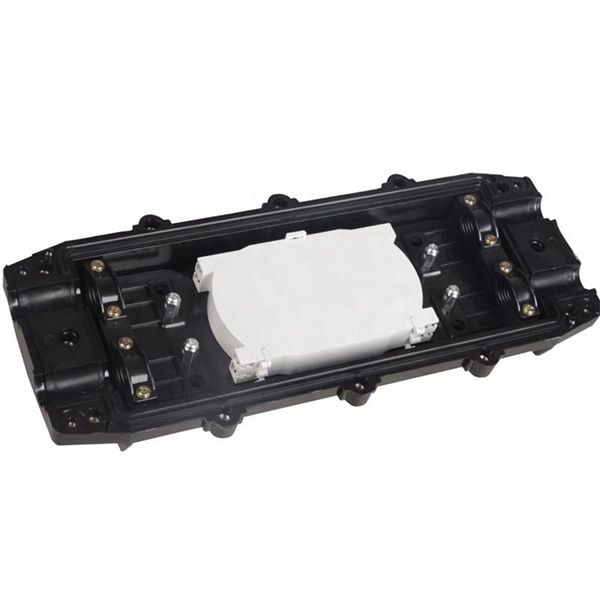
A distribution box safely distributes electricity to multiple circuits, housing components like circuit breakers, fuses, busbars, and protective enclosures to ensure system safety and efficiency.Overview of a Distribution Box
A distribution box (also called a distribution panel, DB box, or electrical panel) is the central hub of an electrical system, directing power from the main supply to various circuits within a building or facility . Its primary functions are power distribution and circuit protection, ensuring electricity flows safely to lights, appliances, and other devices while preventing overloads and short circuits .
Key Internal Components
- Circuit Breakers and Fuses: These devices protect individual circuits by automatically disconnecting power during overloads or short circuits. Circuit breakers can be reset, while fuses melt when excessive current passes through .
- Residual Current Circuit Breakers (RCCB): RCCBs detect leakage currents and prevent electric shocks, enhancing user safety .
- Busbars: Conductive strips, usually made of copper or aluminum, distribute electricity from the main switch to multiple circuits. Busbars provide reliable connections with low resistance compared to traditional wiring .
- Terminals and Switches: Terminals secure wiring connections, while switches allow manual control of circuits. Some boxes include indicator lights to show the status of the mains supply .
Protective Cabinet Features
The enclosure forms the outer shell of the distribution box, protecting internal components from mechanical damage, dust, moisture, and accidental contact . Enclosures can be made of:
- Plastic (engineering thermoplastics): Lightweight, corrosion-resistant, and suitable for residential use.
- Metal (stainless steel or galvanized steel): High mechanical strength, fire resistance, and suitable for industrial or outdoor environments . Enclosures often have an IP rating to indicate protection against dust and water, ensuring safe operation in different environments .
Specialized Electrical Cabinets
In larger systems, distribution boxes may be part of a cabinet system with specialized roles, such as:
- Incoming Cabinet: Receives high-voltage power and provides initial protection.
- Outgoing Cabinet: Distributes power to downstream circuits.
- Metering Cabinet: Houses meters for monitoring energy usage.
- PT, Tie, and Isolation Cabinets: Provide voltage transformation, circuit interconnection, and safe isolation for maintenance .
Safety and Maintenance
Properly designed distribution boxes and cabinets ensure safe, organized, and efficient power distribution. Regular inspection of circuit breakers, fuses, busbars, and enclosure integrity is essential to prevent electrical hazards, maintain operational efficiency, and extend the system's lifespan .