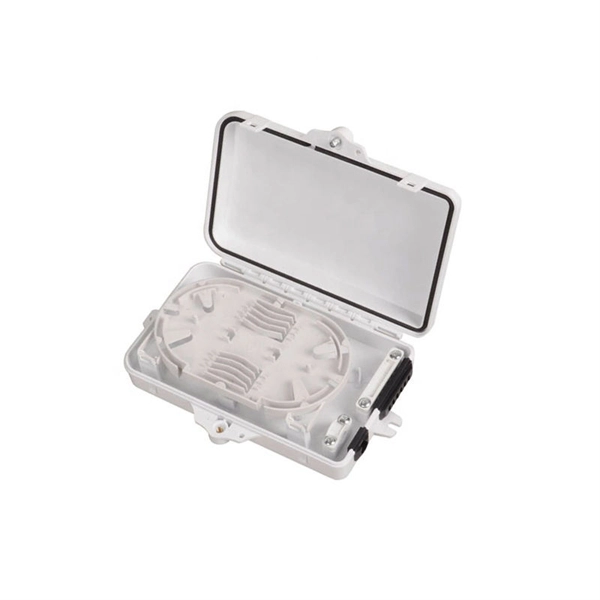
RIVO OPTICALSPLICE CLOSURES Technical Inquiry

How to make a fiber optic cable connector

Fiber optic cable connectors can be made using fusion splicing, mechanical splicing, or epoxy-and-polish methods, each requiring precision, cleanliness, and specialized tools.Overview of Fiber Optic Connectors

Fiber optic connectors consist of a ferrule, receptacle, and housing. The ferrule aligns the fiber core, the receptacle holds the ferrule, and the housing protects the assembly. Proper alignment and polished contact surfaces are essential for low signal loss and efficient light transmission .

Common Methods for Making Connectors1. Fusion Splice with Pre-Made Connector
  • Purpose: Joins a field-installed fiber to a factory-made connector or patch cord.
  • Process:
    1. Strip the fiber's outer jacket and remove the acrylate coating.
    2. Clean the bare fiber with isopropyl alcohol.
    3. Cut the fiber at a precise 90-degree angle using a fiber cleaver.
    4. Place both the main fiber and the pre-made patch cord into a fusion splicer.
    5. Align and fuse the fibers using the splicer, which melts the glass ends together.
    6. Test the connection with an optical power meter or OTDR to ensure low loss .
2. Mechanical Splice
  • Purpose: Provides a temporary or rapid field termination without adhesives.
  • Process:
    1. Strip and clean the fiber.
    2. Insert the fiber into a mechanical splice connector, which aligns the fiber ends using a gel or alignment sleeve.
    3. Secure the fiber in place; no curing is required.
    4. Test for optical performance. This method is faster but slightly higher in insertion loss compared to fusion splicing .
3. Epoxy-and-Polish Method
  • Purpose: Factory-style termination for permanent connectors.
  • Process:
    1. Strip the fiber and clean it thoroughly.
    2. Inject epoxy into the connector ferrule and insert the fiber.
    3. Cure the epoxy using heat.
    4. Polish the fiber end to achieve a smooth, flat surface for optimal light transmission.
    5. Assemble the connector housing and perform optical and physical tests to verify performance .
Tools and Materials Required
  • Fiber stripper and cleaver
  • Isopropyl alcohol and cleaning wipes
  • Fusion splicer or mechanical splice kit
  • Epoxy and curing oven (for epoxy-and-polish)
  • Polishing films and fixtures
  • Optical power meter or OTDR for testing
  • ESD gloves and clean workspace to prevent contamination
Quality Considerations
  • Ensure low insertion loss and minimal reflectance.
  • Maintain mechanical strength and environmental protection.
  • Singlemode fibers require more precise handling and polishing, often done in a controlled facility, while multimode fibers are easier to terminate in the field . By following these methods and using the appropriate tools, a reliable fiber optic connector can be created, ensuring high-speed and stable optical communication.
How to make a fiber optic cable connector

How to make optical fiber connectors | NETVN

Here''s a simplified step-by-step guide on how to make (terminate) optical fiber connectors. Making optical fiber

3 Methods to Make the Fiber Optical Connector

In the spirit of self-reliance and technical mastery, we''ve crafted this detailed guide to empower you to take control of

How to Make a Fiber Optic Patch Cord Step by Step

Learn how to make a fiber optic patch cord step by step, from preparation to testing, for reliable high-performance

How to Connect Fiber Optic Cable: Comprehensive Guide

Master how to connect fiber optic cable with our detailed guide. Step-by-step instructions to ensure you achieve the

How to Make Fiber Optic Cable

There are several steps to build fiber optic cable, including preparation and installation. There are also several tests

Master Your Fibre Optic Installation: Step-by-Step Best Practices

This comprehensive guide delves into the intricacies of fiber optic installation, exploring topics ranging from cable

How to Terminate Fiber Optic Cable Fast and Easily

There are generally two ways how we terminate fiber optic cables: connector or splicing. Termination by Connectors

How to LC Fiber Optic Connector Termination?

Enjoy the videos and music you love, upload original content, and share it all with friends, family, and the world on

Putting LC connectors on a fiber yourself? : r/FiberOptics

Putting LC connectors on a fiber yourself? What is the most sensible way to put LC connectors on a fiber, for a technically skilled

How To Connect Fiber Optic Cable?

Connecting fiber optic cables requires precision and care due to the delicate nature of the fibers. Here''s a step-by

How to Connect Fiber Optic Cable

How to Connect Fiber Optic Cable Fiber optic cables have become the backbone of modern communication networks,

How to Install a Fiber Optic Fast Connector Manually (Without a Splicer)

This tutorial will teach you how to install SC-UPC FO (fastconn) connectors using manual FTTH tools without the need

How to Install LC Fiber Optic Fast Connector

The fiber optic fast connector, also known as a fiber optic quick connector, is a type of fiber connector designed to

Joining Fiber Cable – What Are the Options?

However well you plan your installation, fiber cable is rarely the right length for each run, and is inherently difficult to join.

How to make a fiber optic patch cord?

Mainly 9steps: Step 1: cut cable with cutting machines in lengths Step 2: put the connector spare parts on the cable

How to Terminate Optic Fibre the Easy Way including my 3 tips. SC

How to terminate optic fibre the easy way using DINTEK ezi-Fibre mechanical connectors. I will show you a few tips

Related Video Reference

This video was associated with the source search result. Verify technical details against current product documentation and project requirements.

Technical note

This reference is intended for preliminary fiber optic splice closure research. Compatibility, splice capacity, sealing class, tray layout, protection sleeves, installation methods, test limits and applicable standards must be verified for the specific project.

Still Have a Technical Question?

Use the inquiry form to describe a closure requirement, splice capacity or cable jointing question.

Start an Inquiry