RIVO OPTICALSPLICE CLOSURES Technical Inquiry

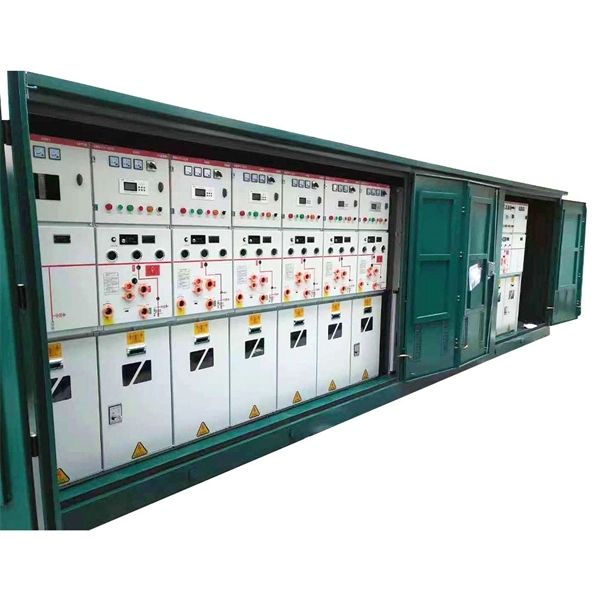
Complete set of electrical distribution cabinets and distribution boxes

Electrical cabinets and distribution boxes are essential enclosures that safely house, control, and distribute electrical power across residential, commercial, and industrial systems.Overview

Electrical cabinets and distribution boxes serve as the backbone of modern electrical systems, ensuring safe, efficient, and reliable power distribution. They protect circuits, organize wiring, and allow for easy maintenance while preventing electrical hazards . These enclosures can range from small residential breaker boxes to large industrial medium-voltage panels.

Types of Electrical Cabinets and Distribution Boxes
  1. Residential Cabinets and Breaker Panels
    • Breaker boxes: Replace old fuse boxes for improved safety, typically housing 12 to 42 circuits.
    • Meter panels: Allow multiple tenants or units to be metered separately.
    • Outdoor electrical boxes: Connect utility power to home circuits and provide weather protection .
  2. Commercial and Industrial Distribution Boxes
    • Main Distribution Board (MDB): Central hub distributing electricity to various sections, equipped with bus bars, MCCBs, and support equipment .
    • Sub Distribution Board (SDB): Distributes power to specific areas or equipment within a facility.
    • Panel Fuse Banks and Unitized Panels: Provide circuit protection and organized distribution.
    • Enclosed Switchgear and Transfer Switches: Manage power switching and backup systems .
  3. Power Distribution Cabinets
    • Low-voltage and medium-voltage cabinets: Used in industrial plants, commercial buildings, data centers, and renewable energy systems.
    • Indoor vs Outdoor Cabinets: Indoor cabinets are for protected environments, while outdoor cabinets are designed to withstand rain, dust, sunlight, and temperature variations, often requiring higher IP ratings .
    • Wall-mounted vs Floor-standing: Selection depends on space, accessibility, and load requirements .
Materials and Construction

Electrical cabinets and distribution boxes are made from PVC, polyester, or metallic materials, chosen based on durability, mechanical strength, and environmental exposure. Metal enclosures are preferred in industrial and commercial applications for impact resistance and long-term reliability .

Capacity and Installation
  • Electrical panels: Typically range from 4 to 72 elements.
  • Electrical cabinets: Can accommodate 72 to 144 elements.
  • Installation: Options include surface-mounted or recessed, with considerations for indoor or outdoor use and watertight protection .
Applications
  • Residential: Breaker panels, meter panels, and outdoor boxes.
  • Commercial: Standard circuit breaker panels, custom enclosures for equipment.
  • Industrial: Medium-voltage panels, control panels, and three-phase junction boxes.
  • Infrastructure & Utilities: Outdoor joint boxes and underground boxes for cable distribution .
Key Considerations
  • Ensure compliance with safety standards (IEC, IEEE, ISO).
  • Select the appropriate voltage rating, size, and material for the environment.
  • Consider future expansion and maintenance accessibility.
  • Choose trusted manufacturers to guarantee long-term reliability and safety . Electrical cabinets and distribution boxes are critical for efficient power management, safety, and operational reliability across all types of electrical installations.
Complete set of electrical distribution cabinets and distribution boxes

ABB Cable Distribution Cabinets | Products

The cabinets are fully assembled with busbars and busbar supports, complete and delivered from the factory, ready for direct

Related Video Reference

This video was associated with the source search result. Verify technical details against current product documentation and project requirements.

Technical note

This reference is intended for preliminary fiber optic splice closure research. Compatibility, splice capacity, sealing class, tray layout, protection sleeves, installation methods, test limits and applicable standards must be verified for the specific project.

Still Have a Technical Question?

Use the inquiry form to describe a closure requirement, splice capacity or cable jointing question.

Start an Inquiry