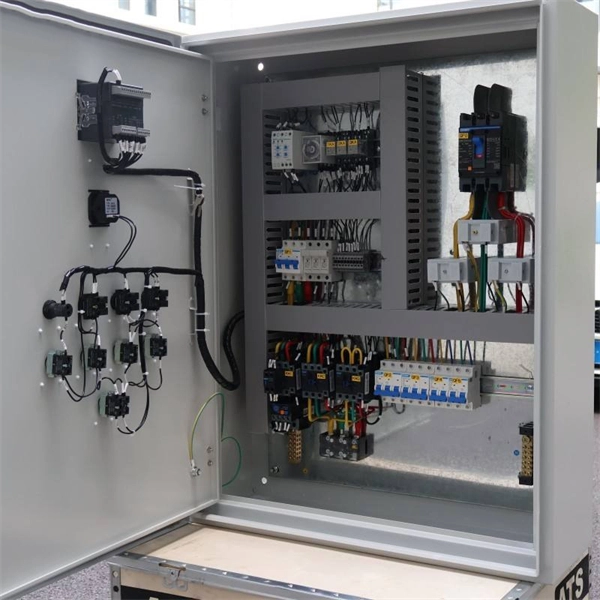
Photovoltaic Energy Storage Module Machines integrate solar generation and energy storage into a single, modular system, enhancing efficiency, scalability, and energy management.Overview
Photovoltaic Energy Storage Module Machines (PV-ESS) combine solar photovoltaic (PV) panels with energy storage components such as batteries, inverters, and controllers within a unified system. This integration addresses the intermittency of solar power, reduces installation complexity, and lowers balance-of-system costs compared to traditional setups where PV arrays and storage are installed separately . By embedding all components in a single chassis or containerized unit, these systems streamline commissioning, simplify maintenance, and accelerate deployment timelines .
Key Features and Benefits
- Modular Design: Allows flexible configuration of PV panels, battery capacity, and load management, enabling phased expansion and adaptation to changing energy demands .
- Integrated Power Electronics: Includes inverters, bi-directional converters, and controllers to optimize energy flow between generation, storage, and consumption .
- Enhanced Self-Consumption: Surplus solar energy can be stored and used later, reducing reliance on the grid and lowering electricity costs .
- Grid-Interactive Capabilities: Supports peak shaving, demand response, and energy arbitrage, improving grid stability and economic returns .
- Scalability: Standardized platforms allow easy capacity expansion without extensive retrofits .
Applications
PV-ESS machines are suitable for a wide range of applications:
- Residential: Homeowners can store solar energy for self-consumption, reducing electricity bills and increasing energy independence .
- Commercial and Industrial: Businesses can manage peak loads, reduce transformer stress, and optimize energy costs .
- Utility-Scale: Large-scale deployments benefit from integrated storage for grid support, renewable integration, and energy trading .
- EV Charging Integration: Some systems combine PV, storage, and electric vehicle charging, maximizing renewable energy use and reducing grid impact .
Market Trends
The PV-ESS market is experiencing rapid growth:
- Market Size: Valued at approximately USD 7.34 billion in 2024, projected to reach USD 25 billion by 2035, with a CAGR of around 11.8% .
- Regional Growth: Asia-Pacific, particularly China and India, is expected to dominate due to heavy investment in renewable infrastructure .
- Key Players: Tesla, LG Chem, Sonnen GmbH, Panasonic, BYD, and Solaredge Technologies are leading the market with innovative integrated solutions .
- Technological Advancements: High-efficiency PV panels, next-generation inverters, and advanced battery chemistries are driving performance improvements and cost reductions .
Notable Products
- Viessmann Vitocharge VX3: Modular energy storage unit compatible with standard PV systems, using lithium iron phosphate batteries for long-term reliability .
- Trina Solar Energy Storage System 2.0: Designed for seamless rooftop and ground-mounted integration, supporting scalable solar storage deployments .
Conclusion
Photovoltaic Energy Storage Module Machines represent a next-generation solution for renewable energy management, combining generation, storage, and intelligent control in a single platform. Their modularity, scalability, and integration with smart energy systems make them ideal for residential, commercial, and utility-scale applications, while market growth is fueled by technological innovation and supportive policy frameworks .