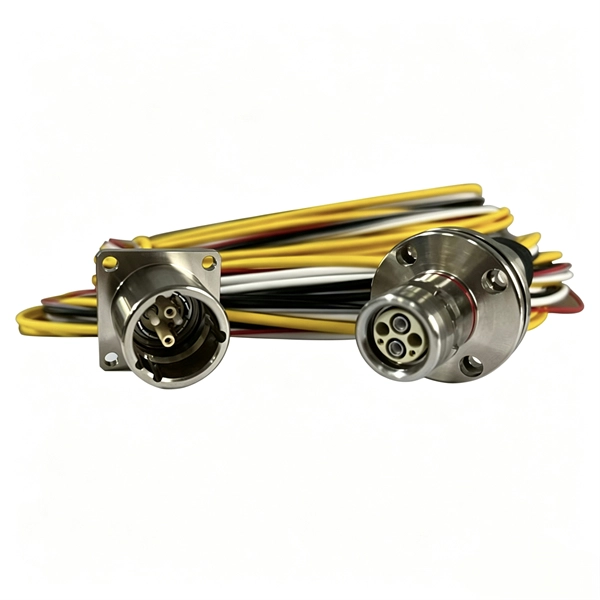
Industrial switches are used to connect, control, and monitor devices in harsh industrial environments, supporting automation, process control, and safety-critical operations.Manufacturing Automation
Industrial switches are essential for factory floor networking, enabling machine-to-machine communication that allows devices to exchange data and commands in real time, improving production efficiency . They also facilitate robotics integration, connecting robotic systems to central control units for precise coordination in tasks such as assembly, welding, and material handling . Additionally, industrial switches support SCADA systems by linking sensors, actuators, and controllers, allowing operators to monitor and control industrial processes effectively .
Process Control
In industries like oil and gas, industrial switches enable remote monitoring by connecting sensors and monitoring devices across pipelines, drilling rigs, and refineries, enhancing safety and operational efficiency . They also support control systems, facilitating communication between field devices and central controllers to manage refining, distribution, and extraction processes . In chemical and pharmaceutical manufacturing, switches designed for hazardous environments ensure safe connectivity in explosion-prone areas .
Automation and Safety
Industrial switches, including limit, proximity, and pressure switches, are used to monitor machinery and control electrical signals . Limit switches detect the position of moving parts to prevent over-travel, while proximity switches detect nearby objects without contact, reducing wear and tear . Pressure switches monitor liquid or gas pressure, triggering shutdowns to prevent equipment damage or accidents . These switches often interface with PLCs and controller routers, enabling automated responses to real-time conditions .
Networking and Communication
Industrial Ethernet switches provide reliable data transfer in harsh environments, supporting high-speed communication, redundancy, and PoE (Power over Ethernet) for powering devices . They are used in smart manufacturing, smart energy, intelligent transportation, and smart city applications, connecting devices like sensors, inverters, and weather stations for monitoring and control . Features such as ring redundancy, VLAN support, and wide temperature tolerance ensure continuous operation even under extreme conditions .
Summary
Industrial switches are versatile devices that enable automation, enhance safety, and maintain reliable communication in industrial environments. Their applications span manufacturing, process control, hazardous environments, and smart infrastructure, making them critical components in modern industrial operations .