RIVO OPTICALSPLICE CLOSURES Technical Inquiry

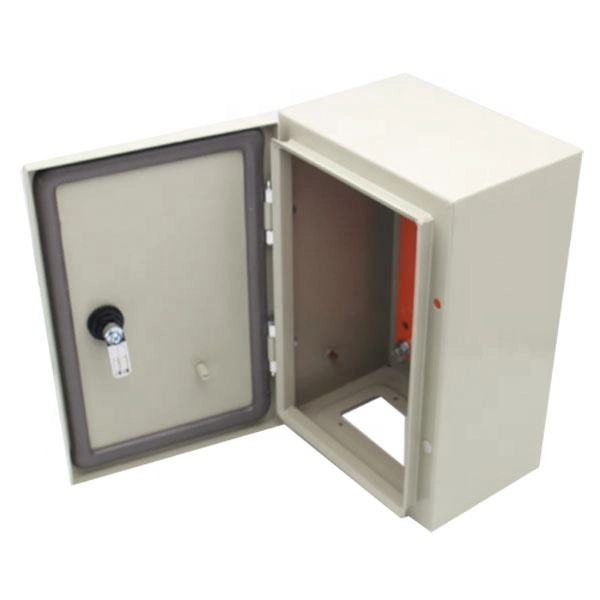
Fixing of the primary distribution box on site

A primary distribution box should be securely fixed using wall, ground, or bracket mounting, ensuring stability, proper grounding, and compliance with safety standards.Site Selection

Choose a dry, well-ventilated location close to the power supply to minimize power loss and prevent overheating or corrosion. Avoid humid, corrosive, or poorly ventilated areas. The installation height is typically 1.5 to 1.8 meters above the ground for easy access and inspection .

Fixing Methods
  1. Wall Mounting: Use expansion bolts or screws to attach the box to a strong wall capable of supporting the box and its equipment. Ensure the box is level and stable .
  2. Ground Mounting: For outdoor or frequently accessed locations, mount the box on a solid base or stand to maintain stability .
  3. Suspended Installation: In industrial settings, the box may be suspended using hooks, chains, or lifting equipment .
  4. Bracket or Frame Fixing: Special applications may require mounting on a bracket or frame to facilitate maintenance and operation .
Wiring and Safety
  • Power Off: Always disconnect the main power before wiring .
  • Wiring Standards: Use high-temperature resistant copper wires with cross-sectional areas suitable for the load. Ensure clear labeling and no exposed conductors .
  • Grounding: Properly ground the metal box, electrical board, and appliances. Connect the protective neutral wire reliably and install a leakage protector for additional safety .
  • Sealing and Ventilation: Ensure cable inlets and cover joints are sealed, and maintain adequate ventilation to prevent overheating .
Installation Procedure
  1. Planning and Preparation: Verify equipment specifications, site readiness, and safety measures .
  2. Mounting: Secure the box using the chosen fixing method, ensuring it is level and stable .
  3. Wiring: Connect circuits according to the design diagram, following proper insulation and labeling practices .
  4. Testing: Perform insulation and continuity tests to confirm no leakage or ground faults .
  5. Commissioning: After installation, verify normal operation and compliance with safety standards .
Professional Considerations

Installation should be performed by a qualified electrician to ensure compliance with local electrical codes and safety regulations. Proper personal protective equipment, such as insulating gloves and tools, should be used during installation .

Fixing of the primary distribution box on site

How to Install a Cable Distribution Box Safely and Correctly?

Conduct a detailed survey of the installation site to determine the installation location of the cable distribution box. The

Technical note

This reference is intended for preliminary fiber optic splice closure research. Compatibility, splice capacity, sealing class, tray layout, protection sleeves, installation methods, test limits and applicable standards must be verified for the specific project.

Still Have a Technical Question?

Use the inquiry form to describe a closure requirement, splice capacity or cable jointing question.

Start an Inquiry