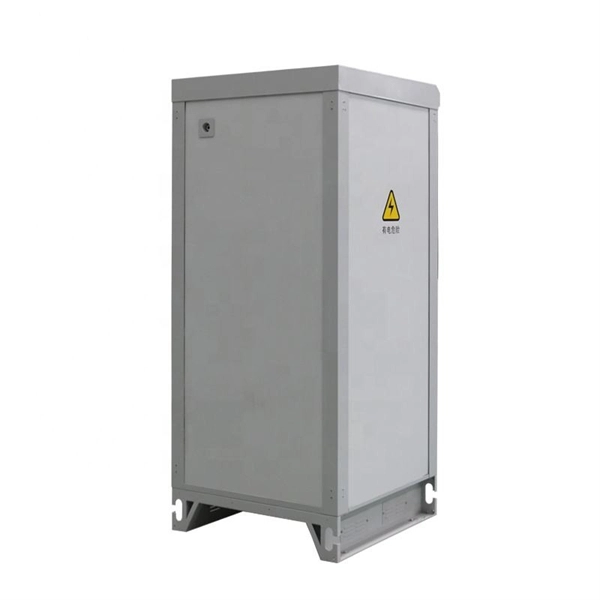
A well-organized electrical cabinet requires systematic component placement, clear wiring paths, proper labeling, and adherence to safety and maintenance standards.Component Placement and Segregation
Electrical cabinets should be designed with a logical component arrangement to optimize functionality and heat management. High-power devices such as contactors, circuit breakers, and transformers should be placed at the top, while low-power components like PLCs, I/O modules, and relays are positioned at the bottom to prevent heat from affecting sensitive equipment. Components with close electrical relationships should be grouped together to minimize wiring complexity and reduce interference, while high-noise or heat-generating devices should be isolated from sensitive electronics to maintain system reliability and safety .
Wiring Organization and Cable Management
Structured wiring is essential for safety, troubleshooting, and long-term reliability. Key practices include:
- Neat routing: Use cable ducts, trays, or channels to separate power and control wiring, reducing electromagnetic interference and simplifying maintenance .
- Labeling: Clearly label all wires and terminals to facilitate identification during inspections or repairs .
- Spacing: Leave adequate space between wires and components to allow airflow and prevent overheating .
- Future expansion: Plan wiring paths with extra capacity to accommodate future upgrades or modifications .
DIN Rail Installation
DIN rails are commonly used for mounting modular components. Follow these guidelines:
- Use IEC 60715-compliant rails to ensure compatibility across devices.
- Secure rails with screws or brackets and install end clamps to prevent component movement.
- Leave spacing between devices for airflow and heat dissipation .
Ventilation and Temperature Control
Proper ventilation is critical to prevent overheating. Cabinets should allow airflow around heat-generating components, and sloped tops or vented panels can help dissipate heat. Overheating can reduce component lifespan and increase the risk of electrical faults .
Maintenance and Accessibility
Design cabinets for easy access to all components. Include removable panels or doors, and ensure critical switches and emergency stops are clearly visible and reachable. This facilitates inspections, troubleshooting, and repairs without disrupting the entire system .
Material and Safety Considerations
Select enclosure materials appropriate for the environment, such as stainless steel for outdoor or corrosive conditions. Ensure the cabinet meets NEMA or IP protection ratings suitable for dust, water, and other hazards. Proper grounding and adherence to electrical codes are mandatory for operator safety .
Documentation
Maintain detailed schematics, wiring diagrams, and assembly instructions for each section of the cabinet. This supports installation, maintenance, and future modifications while ensuring compliance with safety standards . By following these guidelines, electrical cabinets can achieve efficient operation, safety, and long-term reliability, while simplifying installation and maintenance.