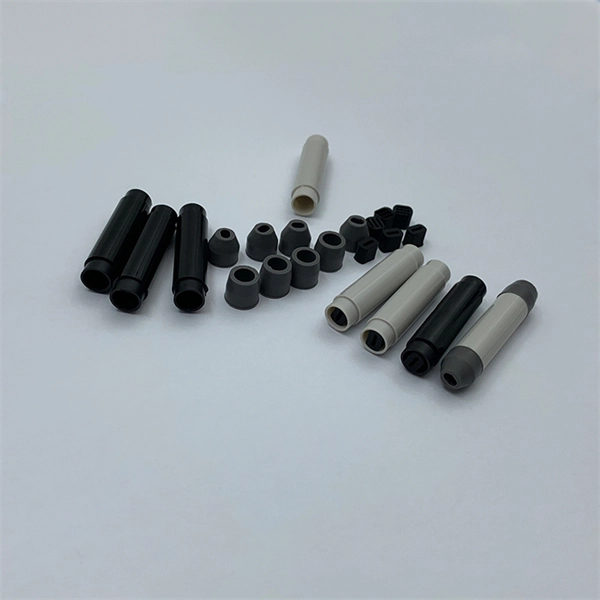
Diode lasers are versatile, compact devices used for engraving, cutting thin materials, and medical applications, offering precision and efficiency at lower cost than CO₂ lasers.Overview of Diode Lasers
A diode laser uses a semiconductor diode to generate a laser beam when electricity is applied, typically emitting blue light around 450 nm for industrial systems or near-infrared wavelengths for medical devices . They are compact, energy-efficient, and capable of high-precision work, making them suitable for hobbyists, small workshops, and professional applications .
Industrial Applications
Diode lasers are widely used in marking, engraving, and cutting thin materials such as wood, leather, cork, paper, and dark plastics . They excel at high-contrast engraving and permanent markings on metals, plastics, and PCBs, including QR codes and serial numbers . However, they are less powerful than CO₂ lasers, cannot cut thick materials reliably, and struggle with clear or transparent materials like acrylic or glass . Modern industrial diode lasers combine multiple emitters to increase power while maintaining compact size and beam quality .
Medical Applications
In medicine, diode lasers are used for dermatology, dentistry, physiotherapy, and minimally invasive surgery . They operate at specific wavelengths (e.g., 805 nm, 1060 nm, 1550 nm, 1940 nm) to target tissues precisely while minimizing damage to surrounding areas . Applications include hair removal, skin resurfacing, varicose vein treatment, lipolysis, and laser-assisted surgeries . These systems are valued for their precision, reduced recovery time, and minimally invasive nature.
Key Considerations
When selecting diode laser equipment, consider:
- Optical power and beam quality: Determines cutting and engraving efficiency .
- Work area and system size: Compact diodes are ideal for small projects, while larger beds suit industrial needs .
- Software compatibility: Ensures ease of design and control.
- Safety features: Eye protection, ventilation, and fume extraction are essential due to real laser hazards .
- Maintenance and support: Availability of parts and technical support is critical, especially for medical or industrial use .
Summary
Diode lasers are affordable, precise, and versatile tools suitable for both hobbyist and professional applications. They are ideal for engraving, marking, and cutting thin materials, as well as for targeted medical procedures. While they cannot replace high-power CO₂ or fiber lasers for thick or highly reflective materials, their compact size, efficiency, and precision make them a practical choice for many industries .